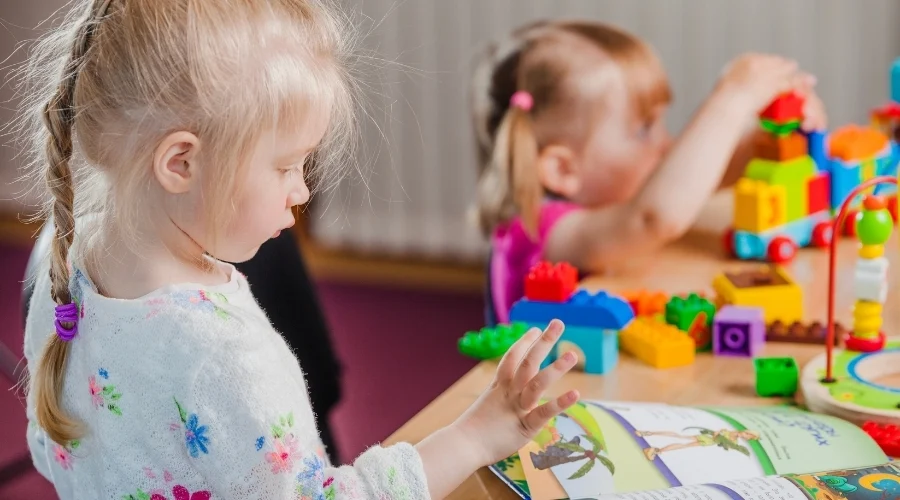
Preschool is a time when children become more curious, social, and independent. A strong preschool program gives them space to ask questions, explore ideas, build friendships, and develop important skills through meaningful play and guided activities.
Children learn best when they feel comfortable and involved. Daily routines, conversations, creative activities, and hands-on exploration can make learning enjoyable while helping children prepare for their next stage.

Preschool children are ready to explore more, communicate their ideas, and participate in group experiences. A supportive environment helps them practice these skills naturally while building a positive attitude toward learning.
Children become more confident when they have opportunities to make choices, try new activities, communicate their thoughts, and complete simple tasks independently. Preschool provides a supportive space for these small but meaningful steps.
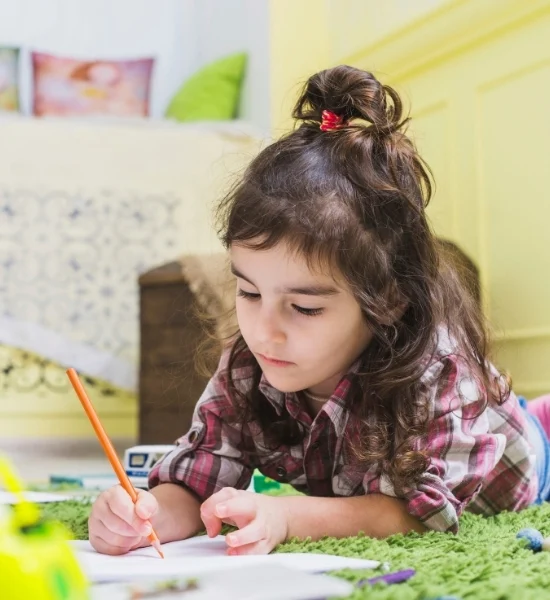
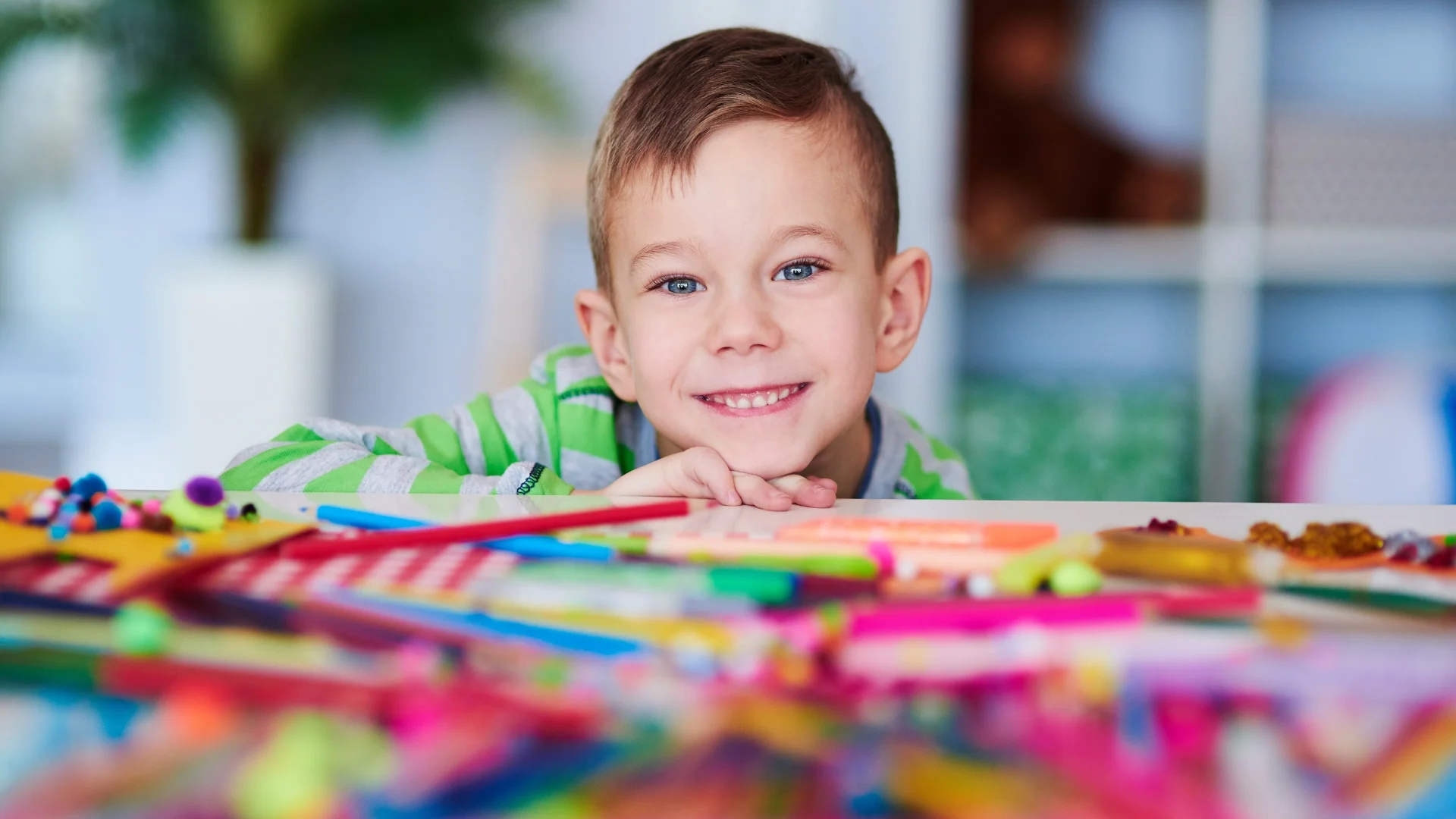
Creative activities allow children to express themselves while developing imagination, communication, coordination, and problem-solving skills. Drawing, building, pretend play, stories, and hands-on experiences can make learning feel natural and exciting.
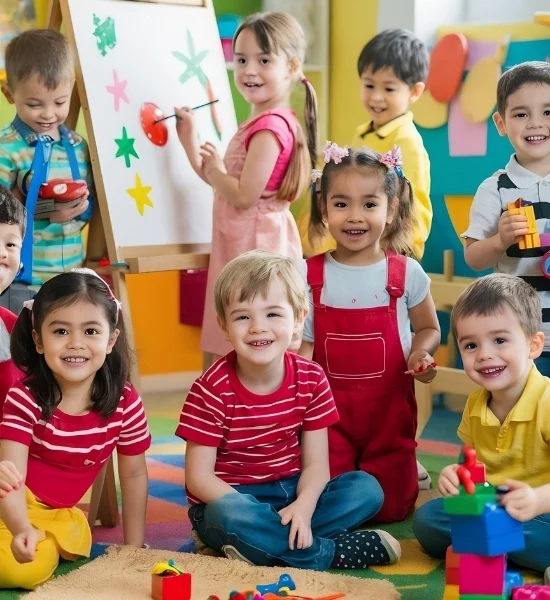
Preschool gives children valuable opportunities to interact with others. Through group activities and everyday conversations, they can practice listening, cooperating, sharing ideas, taking turns, and developing positive relationships.
Early learning does not need to feel like formal school. Children can develop literacy, numeracy, language, and thinking skills through stories, conversations, games, exploration, and carefully planned activities.
Simple routines help preschoolers become more capable and confident. Managing belongings, following instructions, participating in activities, and making small choices can help children develop independence before entering formal school.
Preschool can help children feel prepared for their next learning environment. Consistent routines, communication, social skills, independence, and curiosity create a strong foundation for future classroom experiences.
Preschool provides early learning experiences that support children before formal schooling begins.
It supports communication, confidence, independence, social skills, and early academic development.
Yes, meaningful play can support learning, exploration, and child development.
Children practice routines, communication, independence, attention, and social interaction.
Activities may include stories, creative play, building, movement, conversations, and exploration.
Yes, daily routines give children opportunities to practice age-appropriate independence.
Children interact with peers while practicing communication, cooperation, sharing, and turn-taking.
Yes, stories, conversations, songs, and activities can encourage early literacy skills.
Creative experiences encourage expression, imagination, problem-solving, and hands-on learning.
Look for caring educators, engaging activities, supportive routines, and a comfortable learning environment.